
Table of Contents
Introduction to AI Content Creation for Marketing Teams
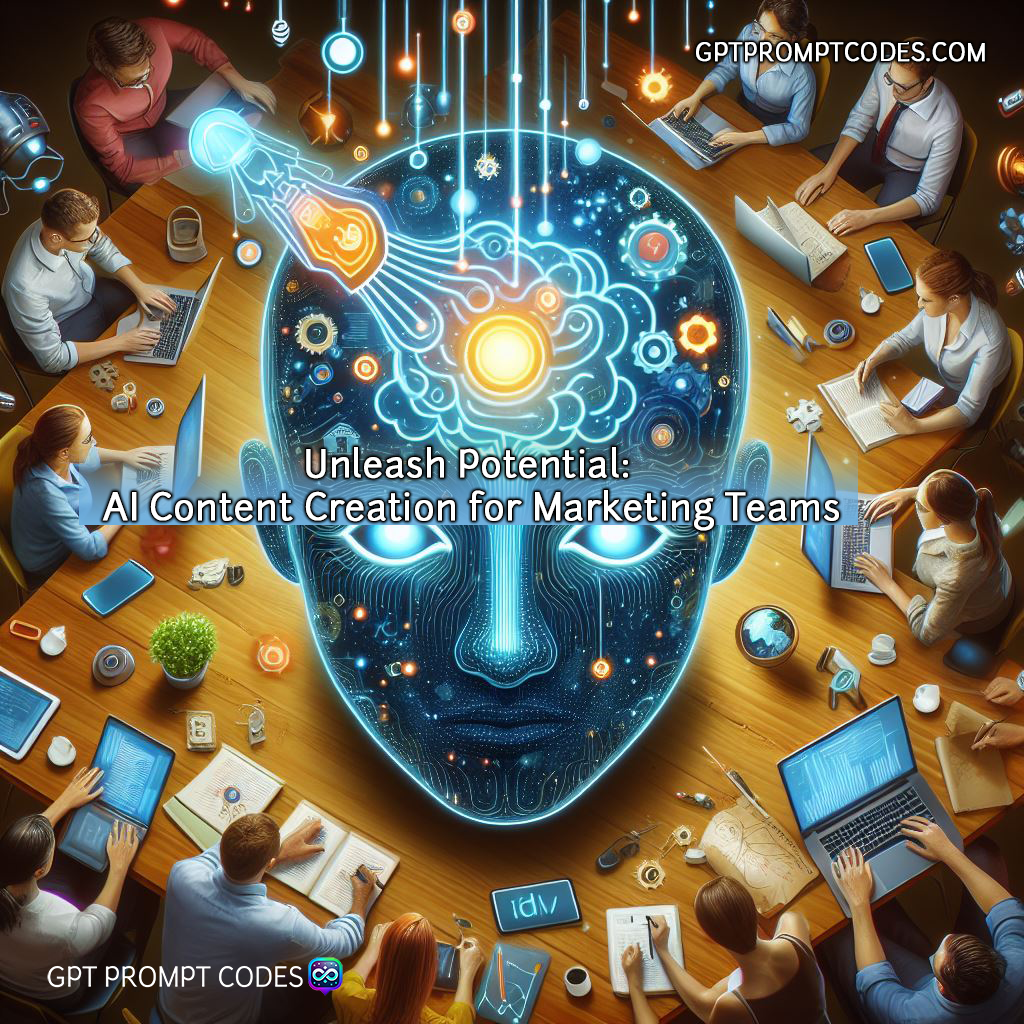
In the ever-evolving landscape of digital marketing and communications, the quest for engaging, original, and high-quality content is perpetual. As businesses and creative teams constantly strive to capture the attention of their audience, the emergence of AI-driven tools like ChatGPT marks a significant turning point. This article delves into how ChatGPT, a state-of-the-art language model developed by OpenAI, is transforming the way marketing, communications, and content creation teams operate, saving time and resources while enhancing creativity.
Understanding ChatGPT
Before exploring its applications in content generation, it’s crucial to understand what ChatGPT is. Developed by OpenAI, ChatGPT is a variant of the GPT (Generative Pre-trained Transformer) language models. It’s designed to understand and generate human-like text based on the input it receives. This capability makes it an invaluable tool for a variety of content creation needs.
Applications in Content Generation
- Writing Product Descriptions: Crafting compelling product descriptions can be a time-consuming task, especially for businesses with a vast inventory. ChatGPT can generate unique, engaging, and detailed descriptions, tailored to the brand’s voice and audience. This not only speeds up the process but also ensures consistency in quality and style.
- Blog Post Creation: For content marketing, blogs are essential. ChatGPT can assist in generating ideas, outlines, or even entire blog posts. While it doesn’t replace human creativity and expertise, it can significantly reduce the time spent on brainstorming and drafting, allowing writers to focus more on refining and personalizing the content.
- Email Composition: Whether it’s for marketing campaigns, customer engagement, or internal communication, writing emails is a daily task for many teams. ChatGPT can help in drafting emails, from crafting compelling subject lines to personalizing body content, making email communication more efficient and effective.
- Social Media Content: In the fast-paced world of social media, keeping up with content demands can be challenging. ChatGPT can assist in generating creative and engaging posts, responses, and even interactive content, helping maintain an active and appealing social media presence.
Benefits of Using ChatGPT in Content Creation
- Time and Resource Efficiency: By automating aspects of the writing process, ChatGPT significantly reduces the time and effort required to produce content. This efficiency allows teams to allocate their resources to more strategic tasks, such as content planning and analysis.
- Consistency and Scalability: Maintaining a consistent tone and style across all content is crucial for brand identity. ChatGPT can be trained to follow specific style guides, ensuring consistency. Additionally, it can scale its content production to meet varying demands without compromising quality.
- Enhancing Creativity: Contrary to the concern that AI might stifle creativity, ChatGPT can actually spur creativity by providing new perspectives and ideas, which content creators can build upon.
- Customization and Personalization: ChatGPT can generate content tailored to specific audiences, regions, or even individual preferences, making personalization at scale more achievable.
Conclusion
The integration of AI tools like ChatGPT in content generation signifies a major shift in how marketing and communications teams operate. By harnessing the power of AI for routine and time-intensive tasks, these teams can focus more on strategic, creative, and analytical aspects of content marketing. As AI continues to evolve, its role in content creation is poised to become more significant, offering endless possibilities for innovation in digital marketing and communications.
You may be interested in, ChatGPT Integration for Customer Support and Service Solutions in 2024
References to support the content on AI Content Creation for marketing and communications.
- Academic Journals and Papers: Look for recent papers in journals covering artificial intelligence, digital marketing, and content strategy. Journals like “Journal of Marketing Research,” “AI & Society,” or “Computers in Human Behavior” often publish relevant research.
- Industry Reports: Organizations like Gartner, Forrester, and McKinsey regularly publish reports on AI trends, including its application in marketing and content creation. These reports can provide valuable insights and data.
- Books: Recent books on digital marketing, AI in business, or content strategy might provide comprehensive insights. Titles by authors who specialize in AI, digital marketing, or media can be particularly useful.
- Case Studies: Look for case studies from businesses that have successfully implemented AI in their content creation process. These can often be found on company blogs, in business magazines, or at marketing conferences.
- Official OpenAI Publications: OpenAI, the organization behind ChatGPT, often publishes updates and research findings on their website and in academic circles. These sources can provide authoritative information on the capabilities and developments of ChatGPT.
- Tech and AI Blogs: Blogs and websites that focus on AI technology, such as TechCrunch, Wired, or The Verge, often cover the latest developments in AI tools for content creation.
- Online Courses and Webinars: Educational resources or webinars from experts in AI and digital marketing can offer both theoretical and practical insights.